Her alarm goes off at 5 AM and there is no snooze. Breakfast for the kids, get them to school, then out to client jobs: two in the afternoon, one in the evening, one still unconfirmed. If that fourth one lands it's another forty dollars. She will not be home when her children are.
That was the person we were building for at Honor. I opened a piece that way in 2015 because I could not find an honest way to start with the software.
What I want to write now is narrower, and I think more useful. What it does to your design practice when the people you're building for are nothing like you.
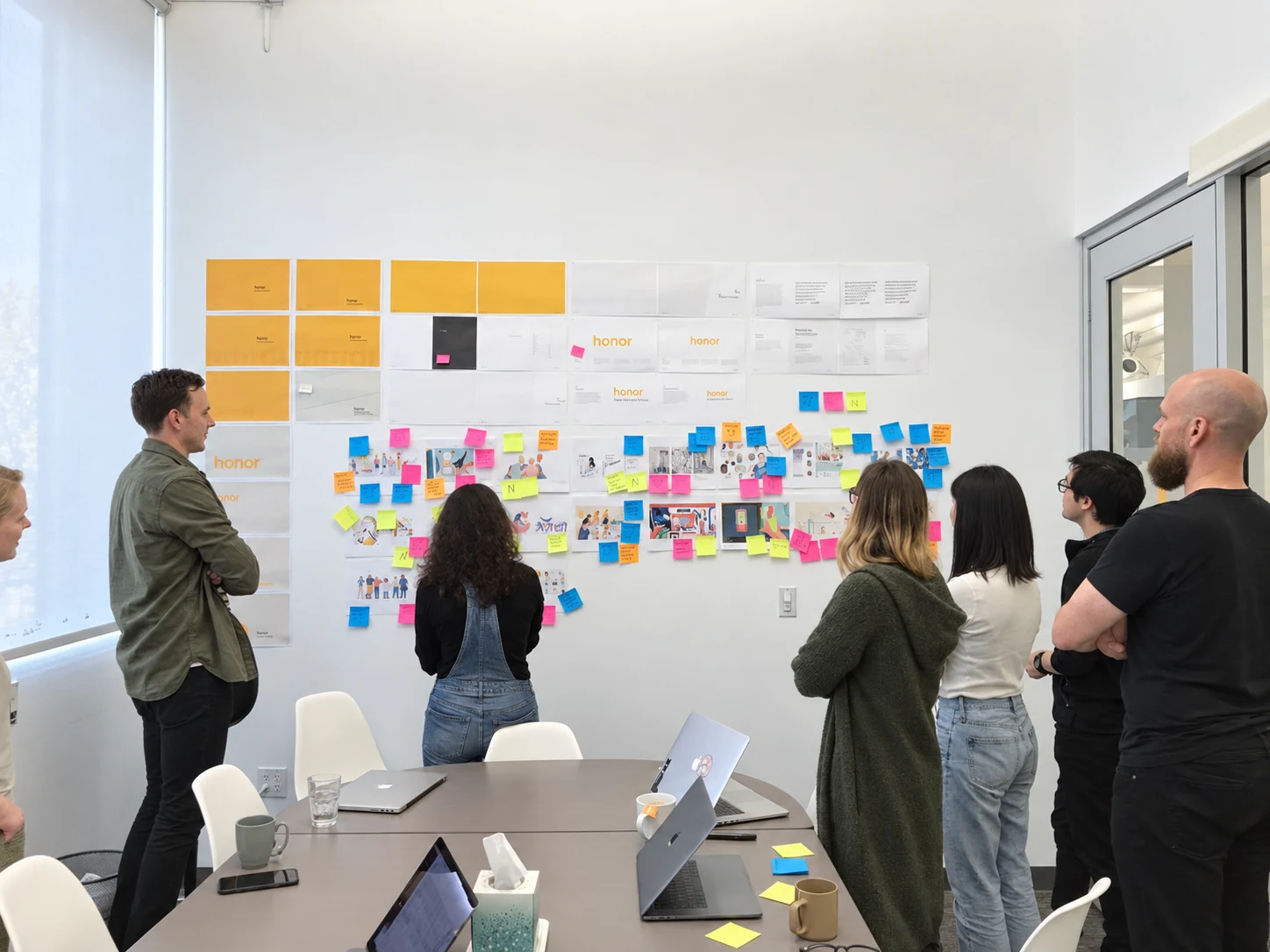
Everyone was a caregiver
Everybody at Honor did volunteer caregiving shifts. We cleaned bathrooms and kitchens, organized family photographs, and did heavy work in gardens.
We called this empathy, a word I've become suspicious of in tech. You can spend a whole afternoon with a persona on the wall and still know very little about somebody's day.
On those shifts, we noticed things we hadn't asked about. Phones ended up in wet pockets. Both hands were occupied when something needed recording. Often the most important part of a visit was the ten minutes of conversation, which no scheduling system had a field for.
Some of what we learned validated our assumptions. A useful amount contradicted them.
The landline
One decision I still cite most often: engaging with Honor had to work as well over a landline as over a smartphone.
That is an unglamorous sentence and it was an expensive commitment. It constrains everything downstream. You cannot assume a screen. So the model of what's happening has to survive being spoken aloud, and that forces a clarity a UI will happily let you avoid.
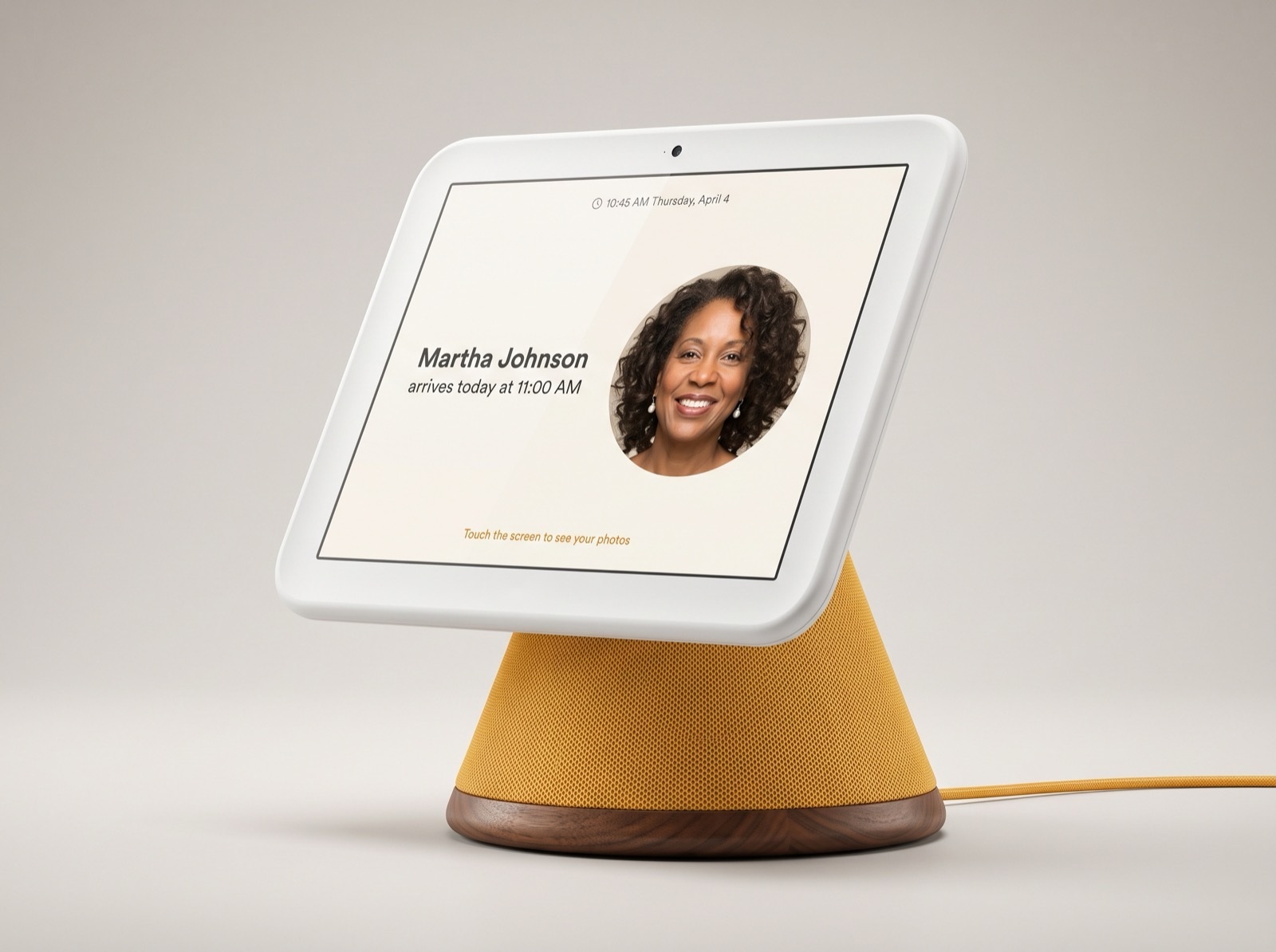
And it came from a specific, fixable mistake. Our early assumption was that our customers would mostly be adult children arranging care for a parent. When we went to market we found roughly half the people signing up each day were arranging care for themselves or a spouse.
That's a different person with different hardware and a completely different emotional posture. An adult child is solving a logistics problem. Someone arranging care for themselves is negotiating a change in their own independence. Same product surface, entirely different thing happening.
Against designing down
Build for older people and the trap is to produce the I've-fallen-and-I-can't-get-up-ified version of an ordinary product. Bigger type, fewer features, primary colors, an implicit apology.
What we found was that people much preferred products designed with context and built on systems they already knew, over products that had been designed down to them. The failure is not really about accessibility. It is the talking down you build in when you treat a group of people as a set of things they can no longer do.
Which is where the three words came from, the frame we ended up using instead.
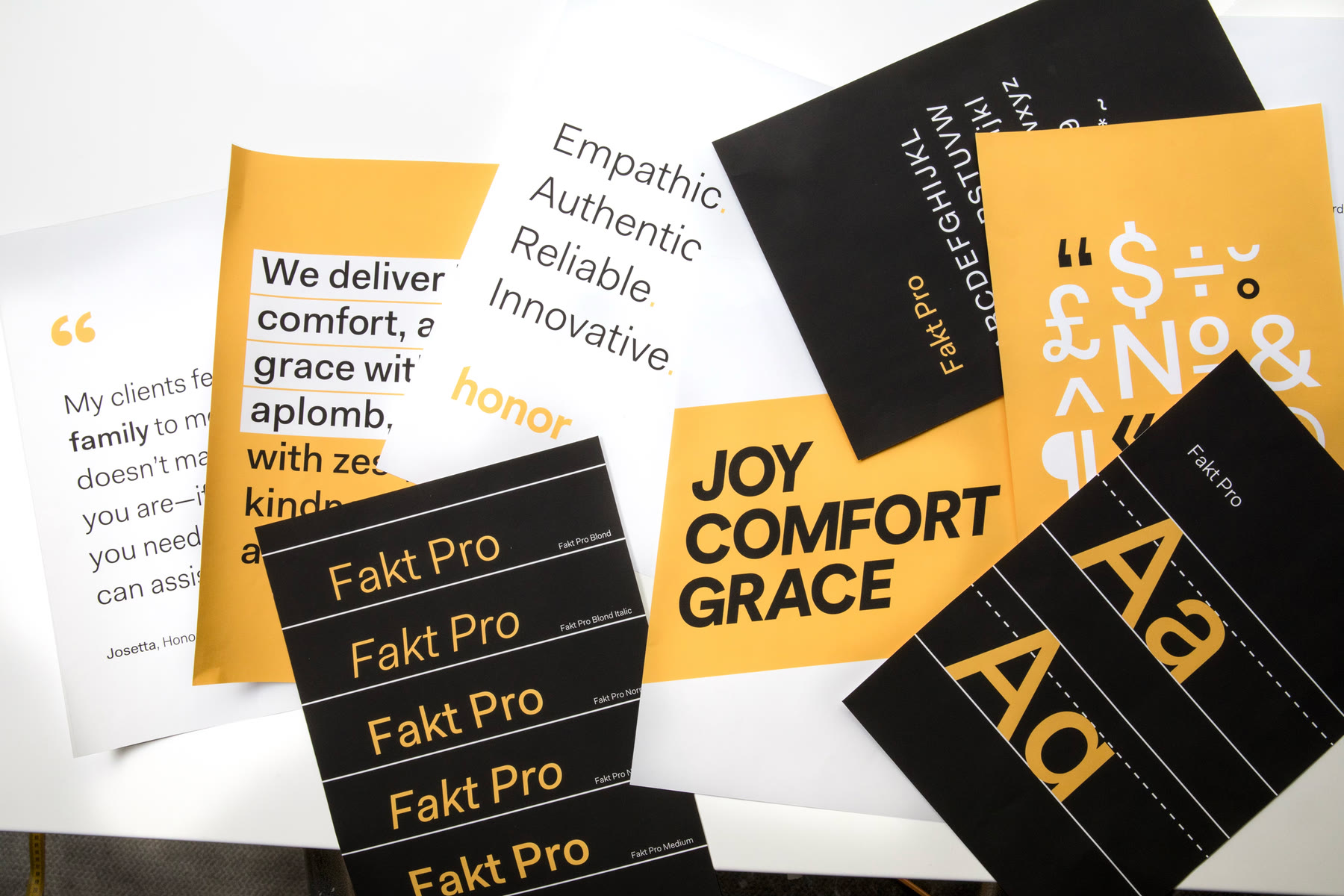
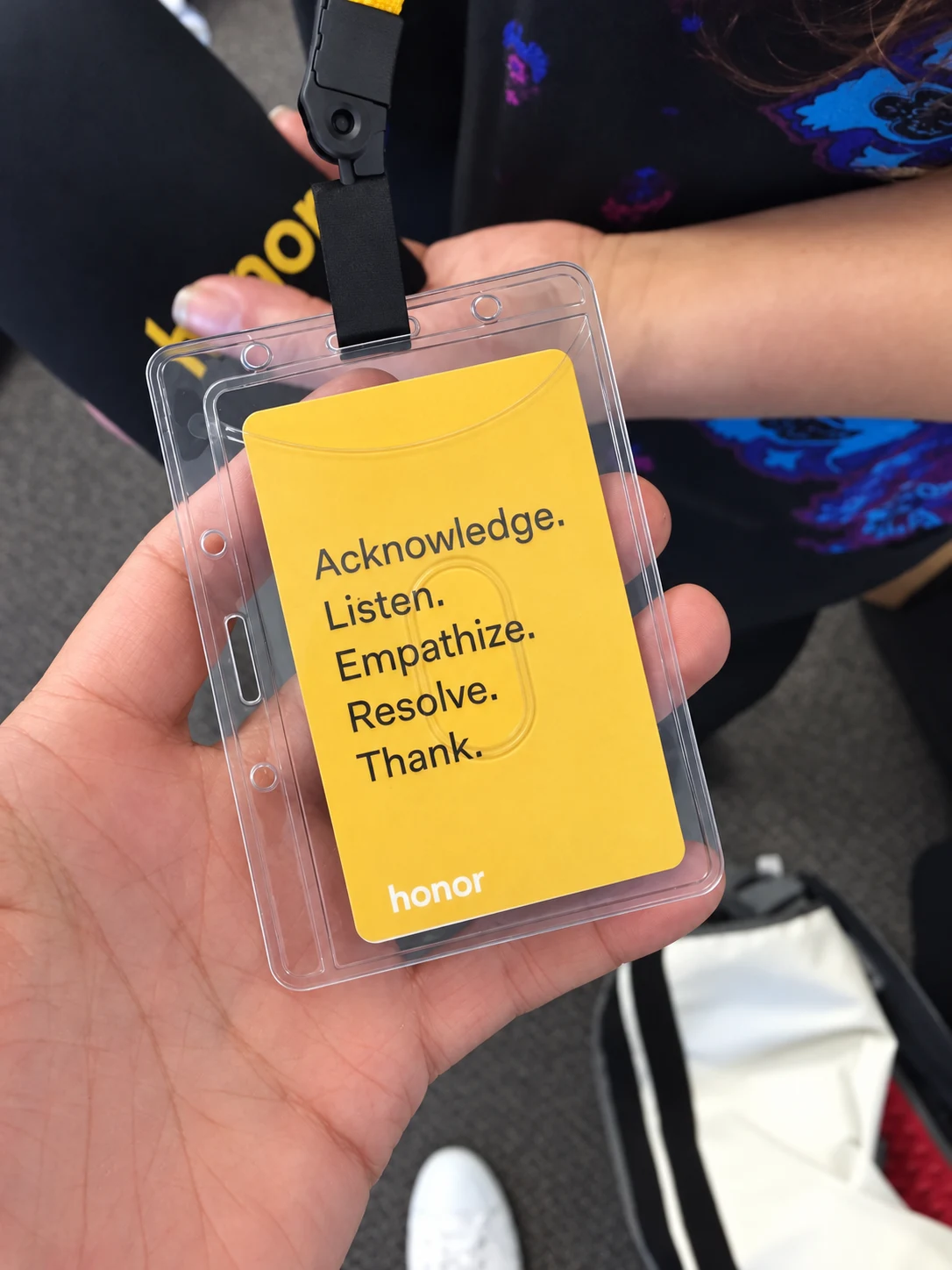
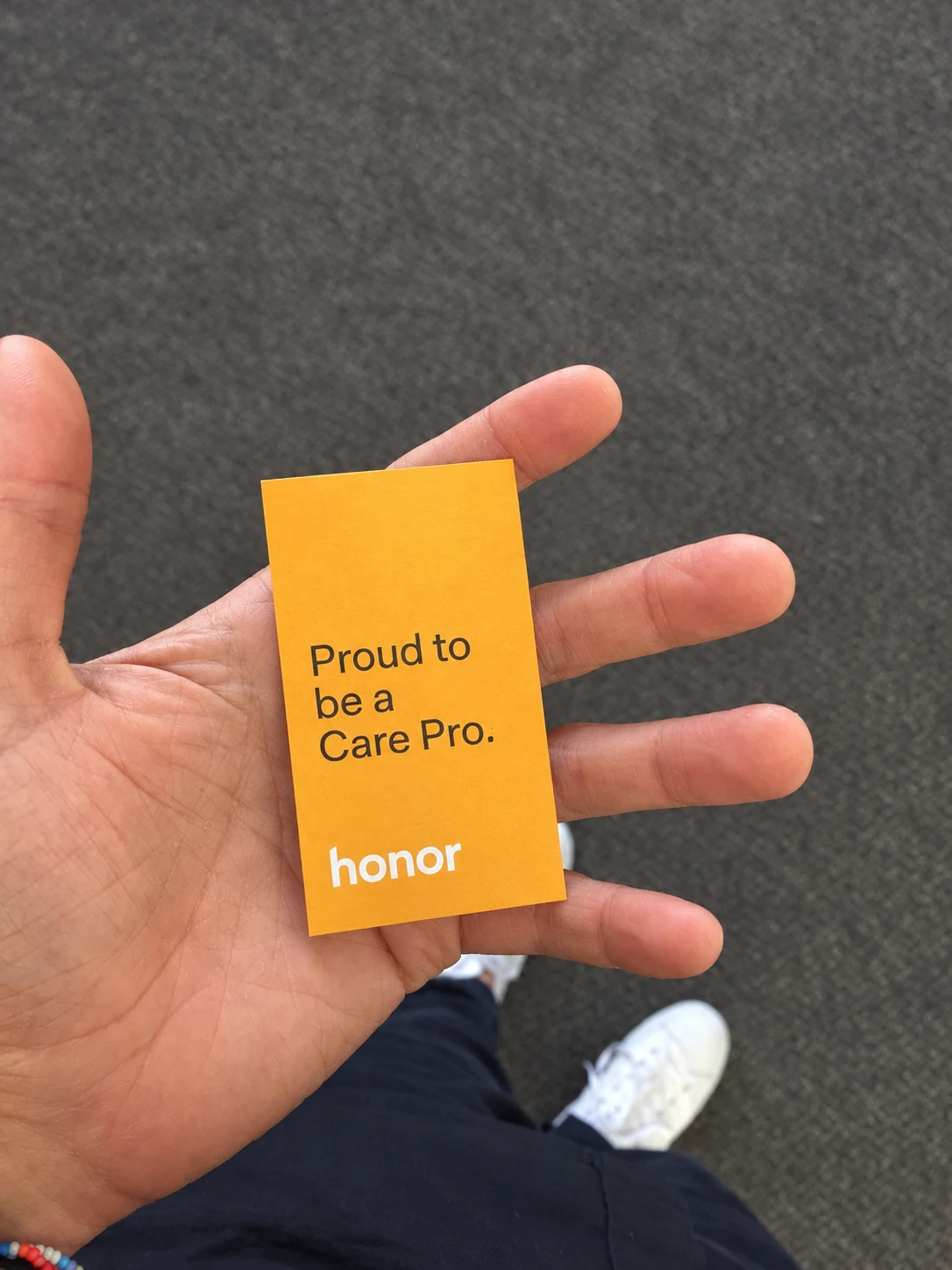
Joy. Most well-designed products do their job simply and obviously. The good ones also make you feel something. For the Care Pros that mattered enormously: to feel their profession was regarded seriously, to have tools that adapted to their lives rather than the reverse. For families, joy is usually the emotion furthest from the situation, which is exactly why its absence from the software is so conspicuous.
Comfort. People arranging home care mostly don't know what to expect, and are often caught between an aging parent and their own children. We wanted them to know what was happening and what would happen next. A short summary after each visit did more for people's peace of mind than any feature that looked more impressive in a review.
Grace. Roughly ten thousand people turn sixty-five every day in the United States (that was the figure when we were building, and it has not gotten smaller). We treated that as ten thousand daily reasons to change how we talk to our elders. Society lumps them into one infantilized category, and that category is us, a few years out. A group as varied in condition and taste and temperament as any other.
A world growing older.
People aged 65 and over, worldwide and across six continents.
Share of each continent’s population aged 65+
| Continent | 2023 → 2050 |
|---|---|
| Europe | 20.1% in 2023; 28.5% projected in 2050 |
| North America | 14.1% in 2023; 20.6% projected in 2050 |
| Oceania | 13.3% in 2023; 18.6% projected in 2050 |
| South America | 10.3% in 2023; 20.4% projected in 2050 |
| Asia | 9.8% in 2023; 18.6% projected in 2050 |
| Africa | 3.6% in 2023; 5.8% projected in 2050 |
Age alone does not determine someone’s care needs.
The people needed to provide care.
Worldwide · modeled need
Long-term care workers, millions
Paid-care model for adults 65+ with significant care needs.
31 OECD countries · observed average
Paid care workers per 100 people aged 65+
52013 → 2023 · unchanged
Headcount; excludes unpaid family care.
Different populations and units—not a direct measure of the care gap.
Sources & methodology
Population. UN World Population Prospects 2024, processed by Our World in Data. 2023 is the latest estimate year in this series; 2050 is the medium-scenario projection. Population on 1 July; data retrieved 11 October 2026.
Continents follow OWID’s grouping: North America includes Central America and the Caribbean; Oceania includes Australia, New Zealand and the Pacific islands. Antarctica is excluded. Shares use each continent’s total population, not an average of country percentages. Dots show people per 100, rounded.
Modeled care needs. People aged 65+ with significant functional limitations—not everyone over 65. Assumes paid care instead of unpaid family care: 2.5 recipients per worker in upper-middle- and high-income countries; 3 in low- and lower-middle-income countries. ILO, 2026 · Figure 4.2.
Observed workforce. Paid long-term-care nurses and personal carers at home or in institutions, excluding hospitals and unpaid family carers. Headcounts, not full-time equivalents; 2023 or nearest available year. OECD, 2025 · Figure 10.18.
Different geographies, definitions and units: these figures cannot be subtracted to calculate a workforce shortfall. Download: population data · care data.
Where the shifts stop working
I have described a practice that worked, so it is worth saying what it costs and how it fails, because I have seen both.
Its cost is straightforward. A day of caregiving is a day not spent building, and at a company of any size the arithmetic gets hard to defend to whoever is watching burn. We could do it because we were small and the founders had decided it mattered. Another way of saying it survived on the same footing as any other unfunded conviction.
A second failure mode is subtler, and I think more common. A shift becomes a ritual. People do it once, early, tell the story at onboarding for the next three years, and stop going without anyone noticing. What's left is a company that believes it has contact with its customer because it once did. That is worse than knowing you do not. It forecloses the question.
Its tell is when the anecdote stops updating. If the story your team tells about your user is the same story it told two years ago, nobody has been out recently, whatever the calendar says.
Immersion does not scale, and past a certain size you need research infrastructure rather than everyone doing shifts. The shifts are what tell you which research to commission. So what I would build now is duller and more durable: a small standing obligation rather than a founding legend. Some hours a quarter, for everyone who makes product decisions, logged the way any other commitment is logged, with the findings written somewhere the next person can read them. Less romantic than everyone doing shifts in year one, and it survives the year when nobody has time.
What transferred
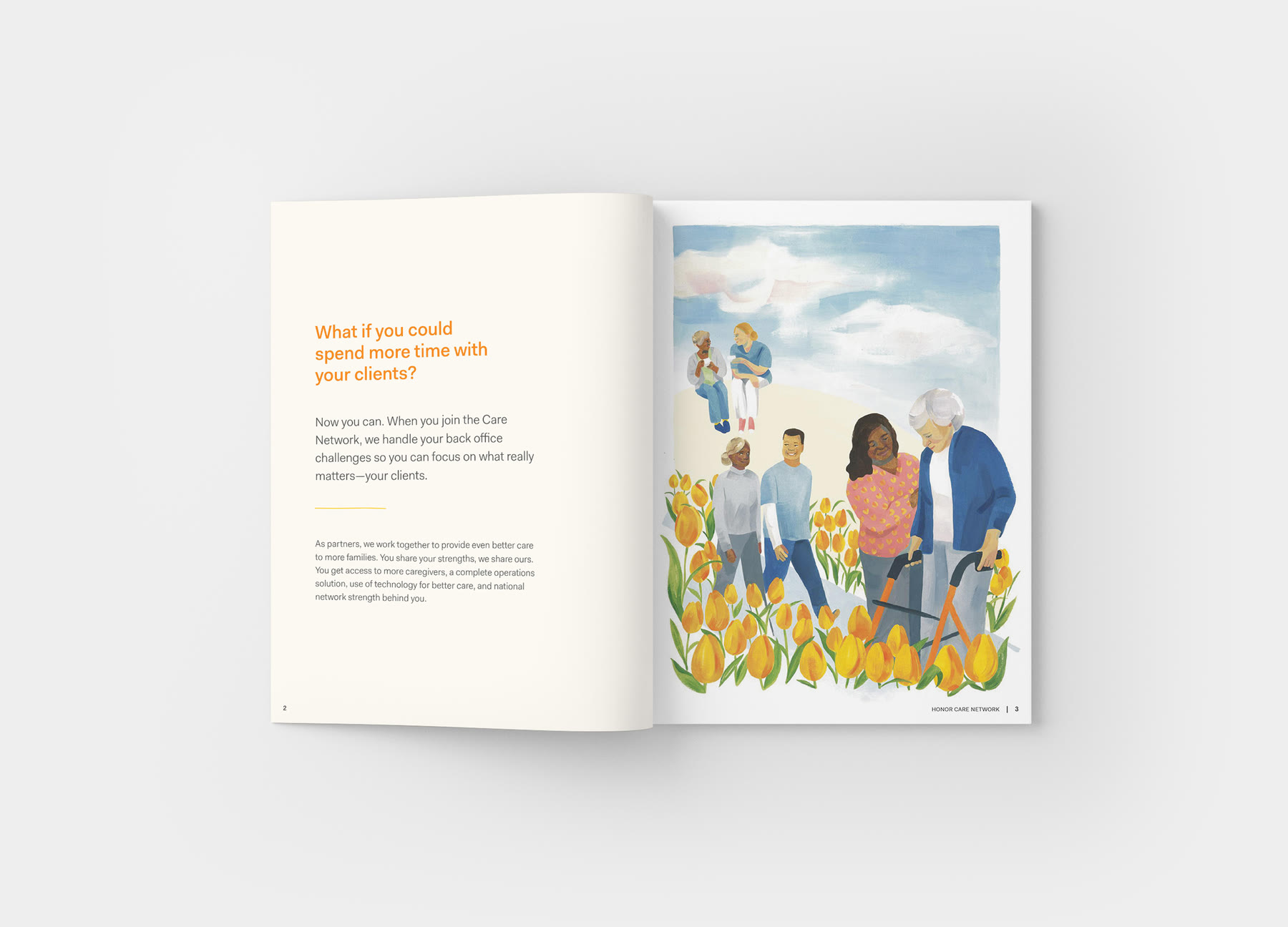
I've since worked in (autonomous) transportation, enterprise SaaS, and superintelligence tools. What carried over was the need to check my assumptions about the people using the product.
Your intuition only works locally. It's well-calibrated for people like you and gets less reliable the further you go from that, and it gives you no warning as it degrades. It feels exactly as confident either way. Only contact with the actual situation corrects it. And the only reliable way to get that is to go and do the thing, badly, yourself.
Building for people outside the Valley's sameness was humbling. I mean that narrowly. It lowered my estimate of how much I could work out from my desk.
I've never got that back, and I don't want to.

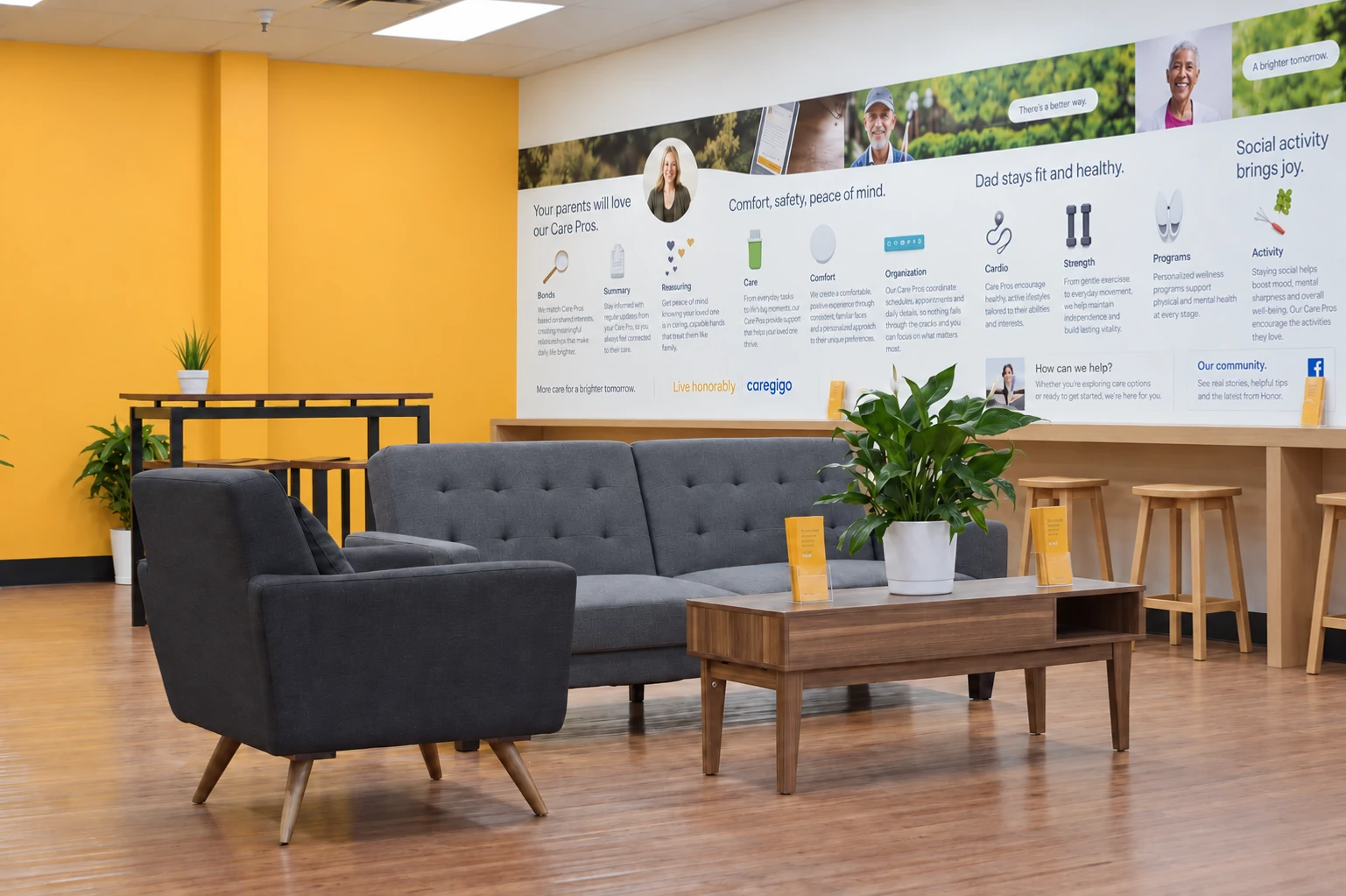
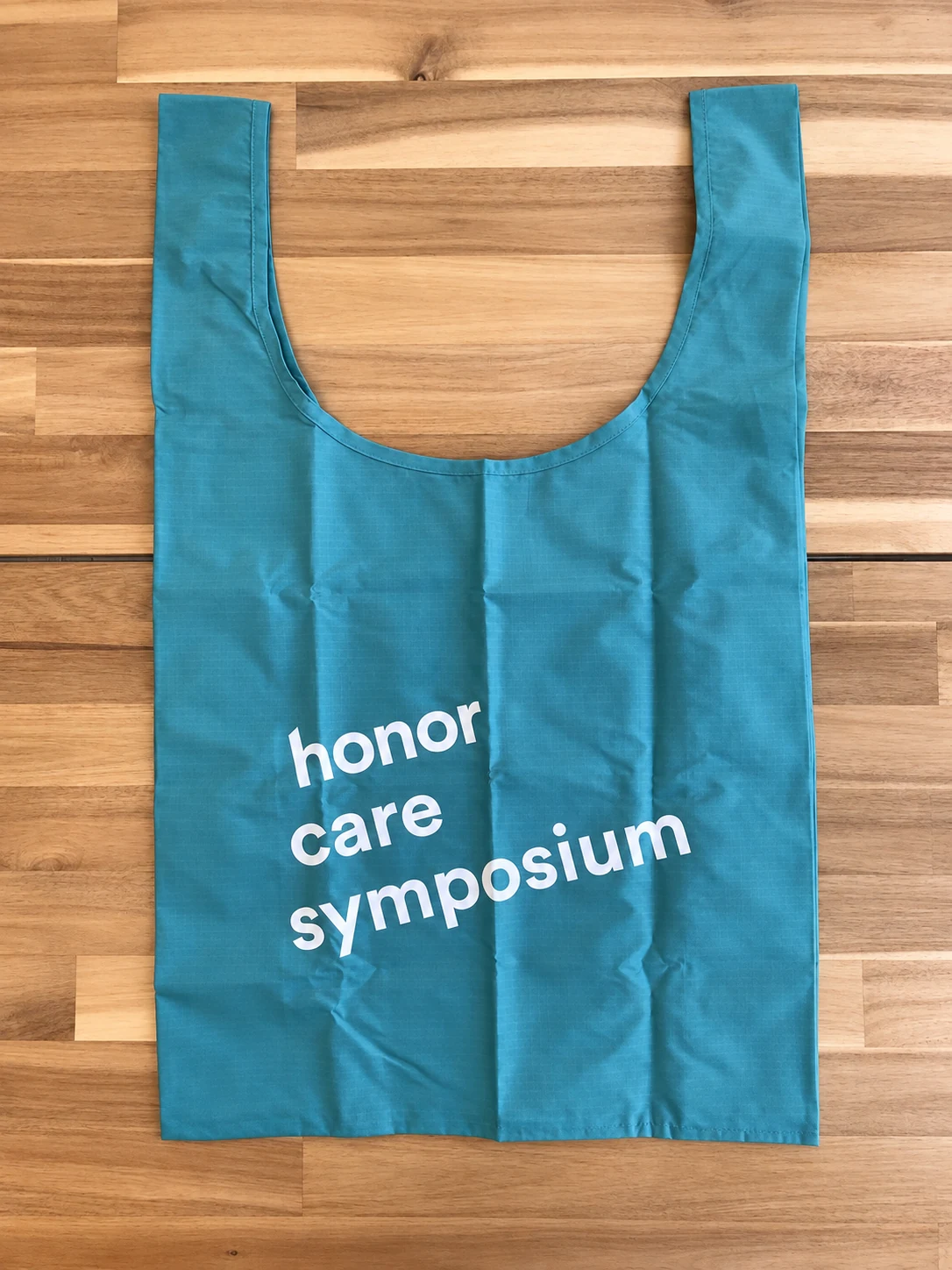
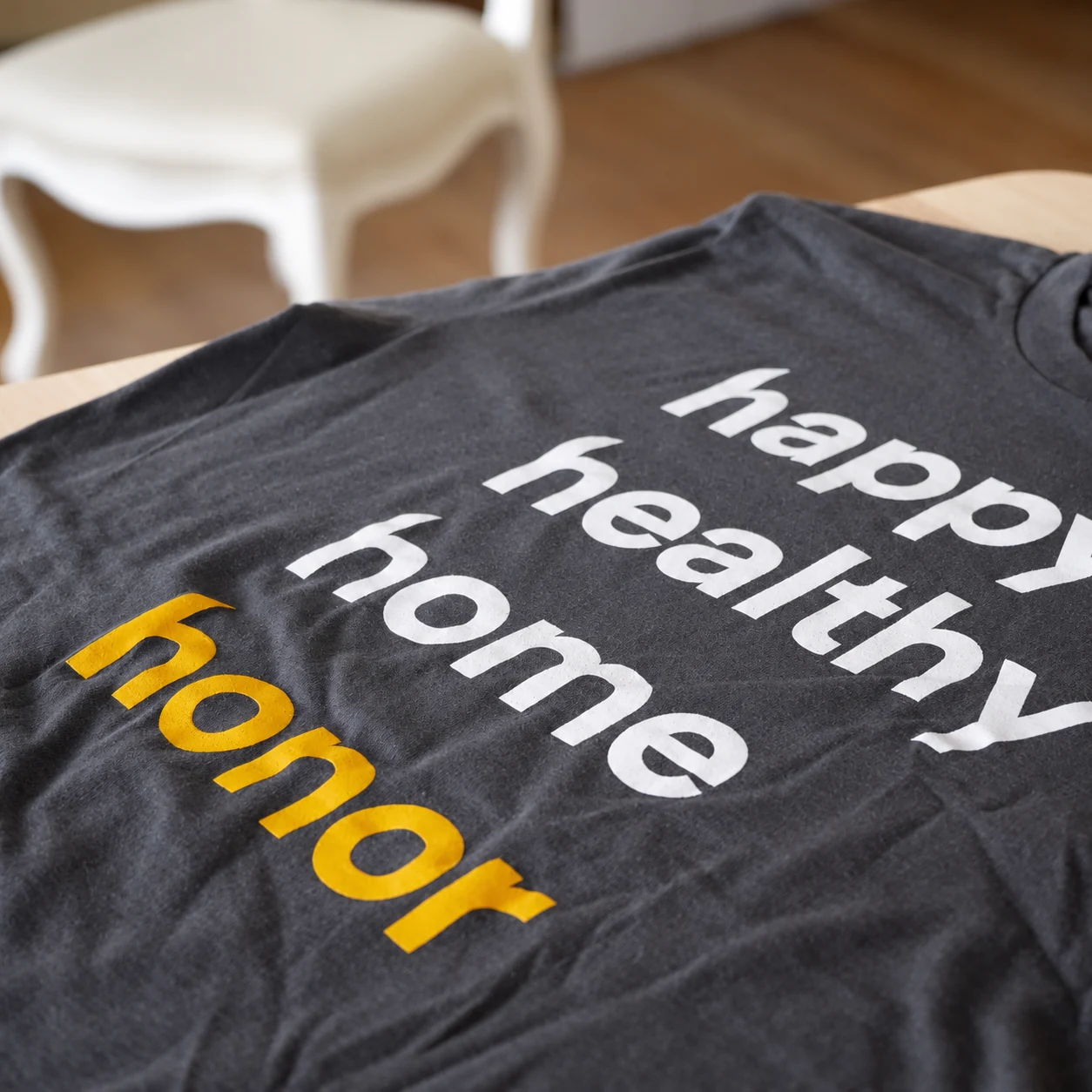
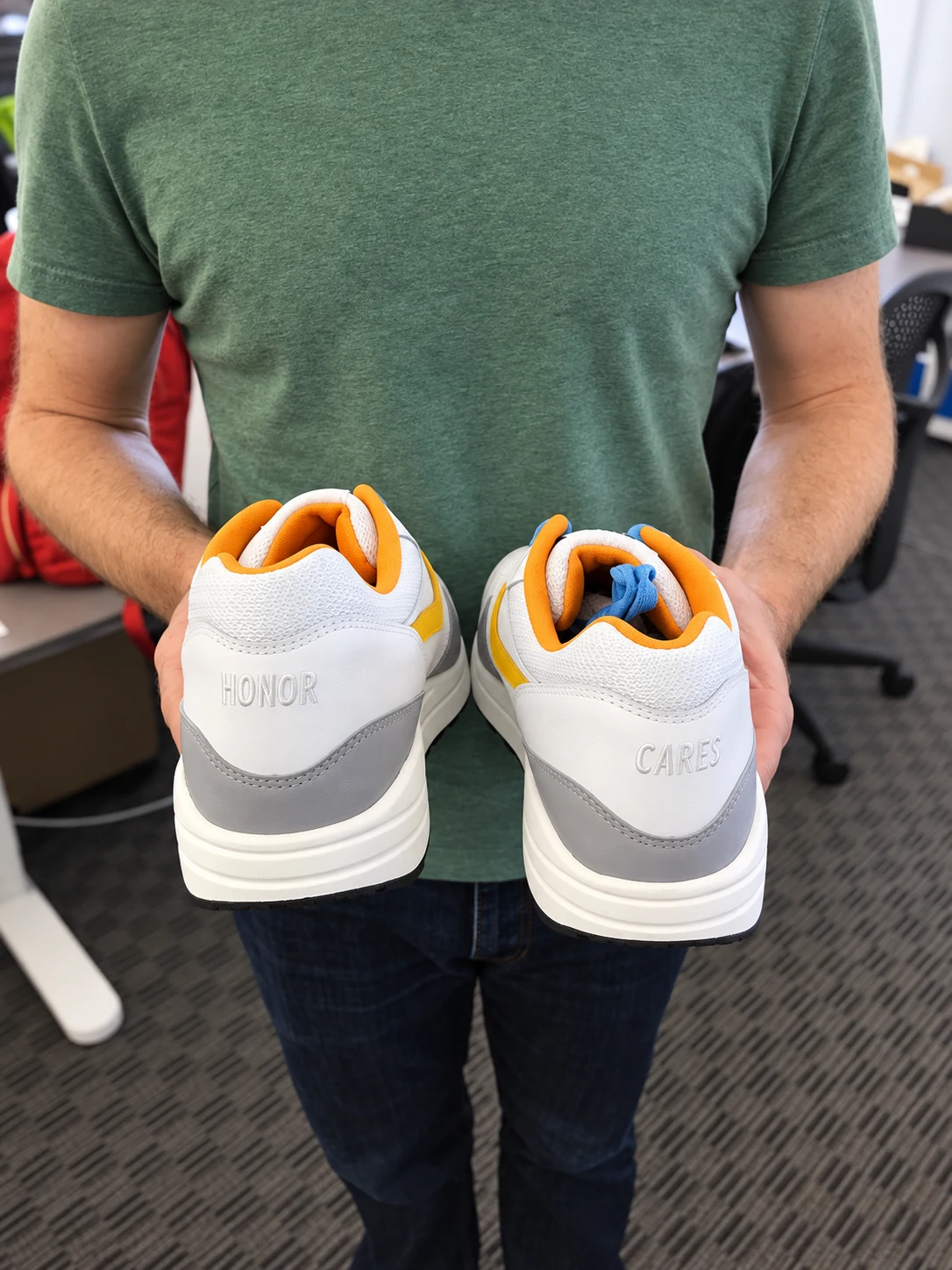
Designing for care is sensory, physical work. The position of a chair, a change in someone’s voice, the effort it takes to reach a screen: you have to notice these things and respond as the situation changes. I don’t think AI can easily supply that judgment yet.
I’m excited about where it could help: less time spent documenting visits, better coordination when a caregiver is delayed, fewer details lost between people. There are so many problems here worth working on, and I’d love to see more of that effort make its way into the daily experience of giving and receiving care.
Lately I've been talking with Michael at Sanii and Timan at Saar aan Huis. Both are doing interesting work in home care, and I'd encourage you to take a look.
I was part of the founding executive team at Honor, leading product and brand from seed through Series C. Portions of this revisit "A year of Honor," published December 2015.
© 2026 Renato Valdés-Olmos